
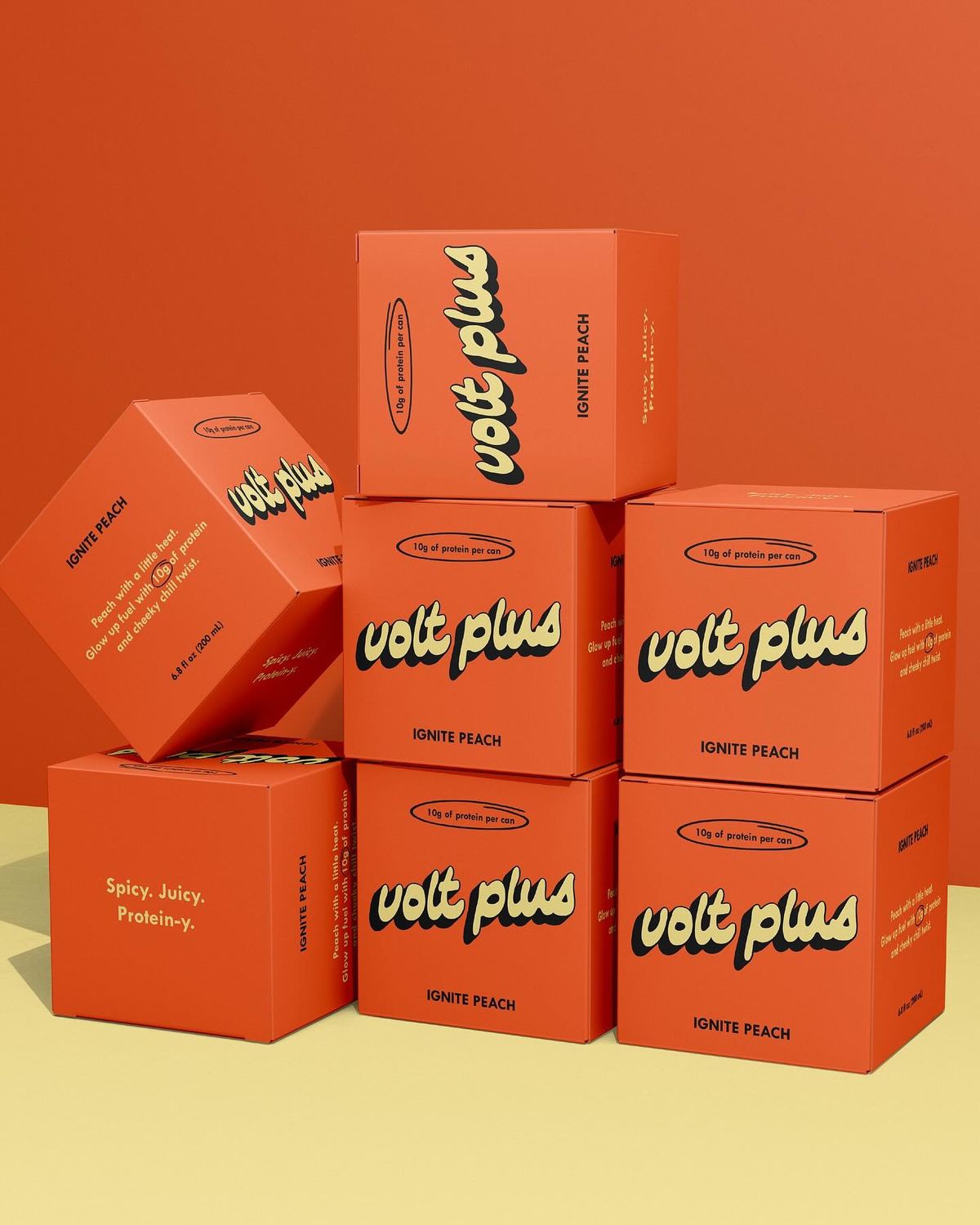
Die-Cut Boxes: Custom Shapes for Standout Packaging

Die-cut boxes break out of the standard rectangle. Using a custom cutting die, they can take almost any shape, add windows, handles, or interlocking tabs, and fit your product perfectly. Here is how die-cutting works and how it makes your packaging stand out.
What is a die-cut box?
Die-cutting uses a custom-made steel die to cut and crease paperboard or corrugated board into a precise shape. This lets you create unique box silhouettes, product-perfect inserts, display windows, hang tabs, and easy-open features that generic boxes cannot offer.
Why choose die-cut packaging
- Custom shapes - stand out on the shelf and in the mailbox.
- Perfect fit - inserts and cutouts hold products securely.
- Windows - show the product without opening the box.
- Functional features - handles, hangers, and self-locking tabs.
Die-cut vs standard boxes
Standard boxes use stock shapes; die-cut boxes are cut to your exact design. Most custom boxes - including mailer boxes and folding cartons - use die-cutting to achieve their shape and fold lines.
Design tips
Start from a dieline (the flat template of your box) so your artwork aligns perfectly with cuts and creases. Keep important text away from fold lines. See our complete guide to custom printed boxes for design and printing options.
Frequently asked questions
What is a dieline?
A dieline is the flat, 2D template showing where a box is cut, folded, and glued - the blueprint your artwork is built on.
Can die-cut boxes have windows?
Yes. Die-cutting can add a window (with or without a clear film) so customers can see the product.
Is die-cutting expensive?
There is a one-time die cost, but per-unit prices stay low at volume, making custom shapes affordable at scale.
Create a box that stands out
Give your product a shape all its own. Explore our custom die-cut boxes or the e-commerce boxes collection.


Leave a comment
This site is protected by hCaptcha and the hCaptcha Privacy Policy and Terms of Service apply.